
3D printing
Your part is built up layer by layer in plastic. Good for prototypes, models and spare parts.
What it is
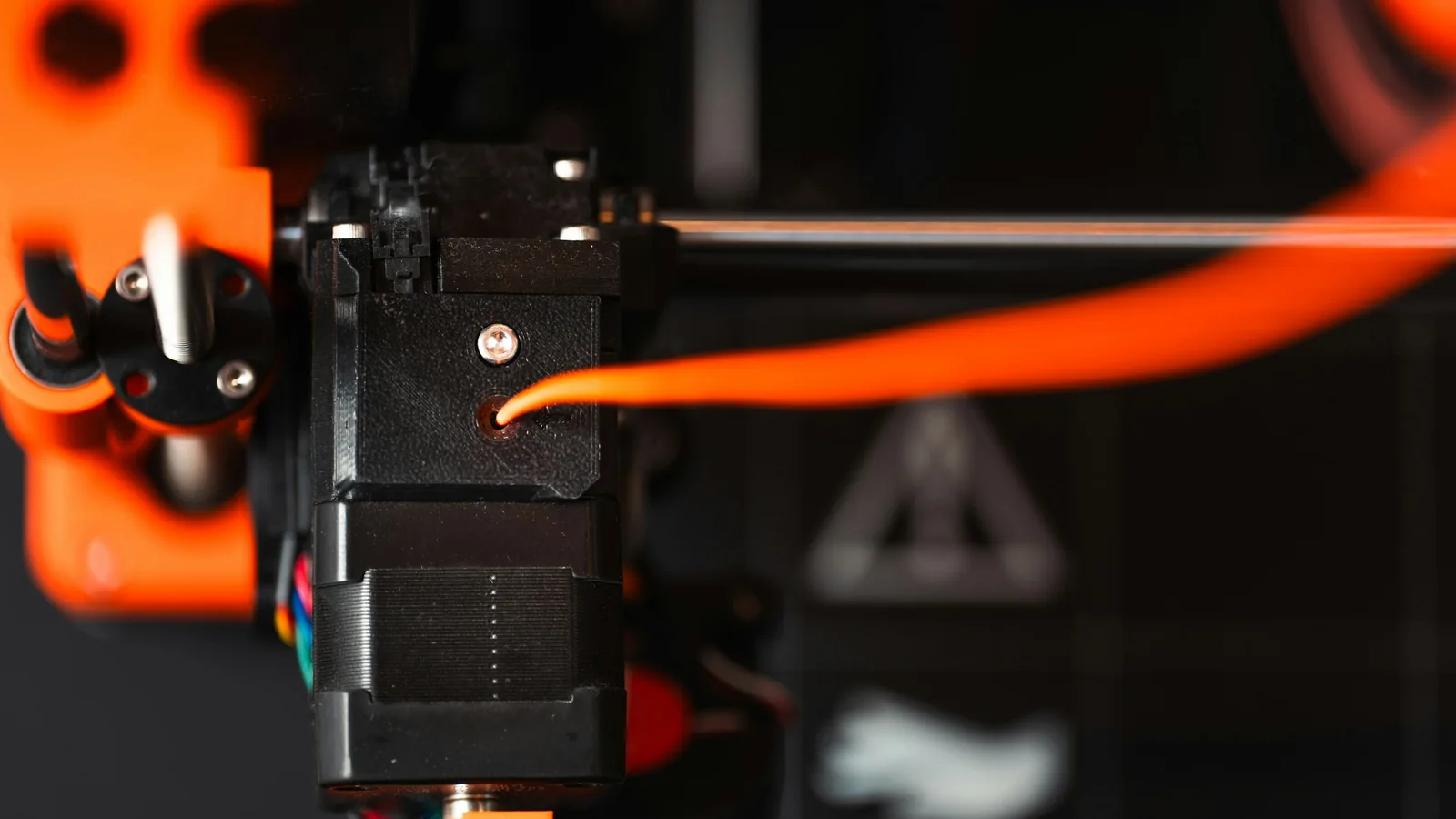
3D printing builds a part layer by layer from your 3D file. There is no tooling and no set-up for each design, so it is usually the cheapest and fastest way to make one-off plastic parts, prototypes or a small batch.
We offer several printing methods. You do not need to know them: in the calculator you simply choose the material, and the right method comes with it (shown in brackets, for example “PA12, SLS”).
Good for
- Prototypes and concept models you want to hold and test
- Replacement plastic parts, clips, covers and brackets
- Enclosures and housings for electronics
- Small batches where a mould would be too expensive
- Display models with fine detail (resin)
- Flexible parts such as seals, grips and bumpers (TPU)
Materials
These are the materials you can choose in the price calculator. If you are not sure, keep the first option — it suits most parts. See all materials for more detail.
- Standard plastic (PETG) — good for most models; the lowest price
- Strong nylon (PA12, SLS) — tough parts that are used, not just looked at
- Strong nylon, smoother (PA12, MJF) — similar strength with a finer surface
- Fine-detail resin (SLA) — very smooth, detailed models
- Flexible plastic (TPU) — bends like rubber
Surface finishes
A finish changes how the part looks and feels, and can protect it. It does not change the shape.
- Standard — as printed — slight layer lines are normal
- Smoother matte (bead blasted) — even, matte surface
- Dyed black — a uniform black colour
- Extra smooth (vapour smoothed) — a sealed, slightly glossy surface
Which file to send
Any 3D model works: STL, OBJ or 3MF (the usual 3D-printing formats), or STEP and IGES from engineering CAD software. Please model the part in millimetres. If your file is in inches, mention it in the order notes.
Tips for a good result and a lower price
- Walls thinner than about 1 mm may be fragile or may not print — our engineer check will flag this.
- Hollow parts are cheaper in some materials; ask us if you want a part hollowed.
- Bigger batches cost less per part; try 10 or 50 in the calculator to compare.
- If the part must fit another part tightly, choose “High” precision or tell us which sizes matter.
Common questions
Which material should I choose?
For most models choose Standard plastic (PETG). Choose Strong nylon for parts that take load or are used every day, resin for fine detail, and TPU when the part must bend.
Will I see layer lines?
On standard finishes a faint layer texture is normal. For a smoother look choose the bead-blasted or vapour-smoothed finish, or resin.
Can you print in colour?
The standard colours depend on the material. Dyed black is available as a finish. For other colours, ask us before ordering.
Ready to see a price?
Upload your file and get an estimate in seconds. No sign-up needed.